One Key Trick Everybody Should Know The One Lightweight Mobility Scooters Trick Every Person Should Be Able To
Lightweight Mobility Scooters: A Comprehensive Guide
As the world embraces a more inclusive environment for individuals with mobility obstacles, lightweight mobility scooters have become essential tools to improve self-reliance and mobility. Developed for ease of usage, mobility, and an easy to use experience, these scooters offer a useful solution for those who want to browse their surroundings with minimal difficulty. In this article, we will explore the functions, advantages, and factors to consider associated with selecting the best lightweight mobility scooter.
What Are Lightweight Mobility Scooters?
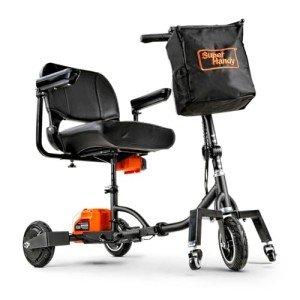
Lightweight mobility scooters are compact and quickly portable electric scooters designed for people with minimal mobility. They are typically made from lightweight products such as aluminum and are crafted for ease of disassembly, enabling users to take them on public transport or shop them in small spaces. These scooters offer a convenient solution for running errands, participating in recreational activities, or merely taking pleasure in a day out.
Key Features of Lightweight Mobility Scooters
Feature
Description
Weight
Usually weighs in between 30-125 pounds (14-57 kg)
Speed
Optimum speed ranges from 4-8 mph (6-13 km/h)
Range
Travel range usually in between 10-15 miles (16-24 km) per charge
Turning Radius
Compact turning radius, generally varying from 32-54 inches (81-137 cm)
Battery Type
Typically utilizes lead-acid or lithium-ion batteries
Seat Options
Swivel and adjustable seat height for comfort
Mobility
Developed for simple disassembly and transportation
Weight Capacity
Varies, generally up to 300-400 pounds (136-181 kg)
Accessories
Optional accessories like baskets, lights, or canopies
Benefits of Using Lightweight Mobility Scooters
Enhanced Mobility: Lightweight mobility scooters empower users to move around individually, accessing shops, parks, and leisure locations with ease.
Mobility: The ability to dismantle the scooter or fold it makes it easy to transport in cars or mass transit.
User-Friendly Design: Most scooters feature instinctive controls, making them accessible for individuals of various ages and mobility levels.
Economical: Compared to bigger, heavy-duty scooters, lightweight options are often more economical, making them an appealing option for numerous users.
Comfort: Many designs have adjustable seating and ergonomic designs to enhance convenience throughout rides.
Picking the Right Lightweight Mobility Scooter
When considering the purchase of a lightweight mobility scooter, a number of elements need to be assessed. Below is a list of considerations to keep in mind:
Weight and Portability: Evaluate how easy it is to take apart or fold the scooter for transport and inspect the weight to ensure you can lift it if necessary.
Range and Battery Life: Consider how far you prepare to travel on a single charge and pick a scooter that meets your everyday needs.
Weight Capacity: Select a scooter that easily supports your weight, guaranteeing stability and durability.
Convenience and Features: Look for features like adjustable seating, footrests, and armrests to guarantee a comfy experience.
Surface Compatibility: Depending on where you plan to use the scooter, consider designs created for rugged terrains or mostly for smooth pavements.
Security Features: Ensure there are necessary safety features such as lights, reflectors, and a horn to alert pedestrians.
Popular Lightweight Mobility Scooter Models
Design Name
Weight
Speed
Variety
Weight Limit
Functions
Drive Medical Scout
115 pounds
4.25 miles per hour
15 miles
300 lbs
Swivel seat, adjustable armrests, disassembles quickly
Cherokee Mobile
80 lbs
4 mph
10-12 miles
250 pounds
Easy to fold, lightweight, compact design
EV Rider Mini Rider
90 pounds
5 mph
15 miles
300 pounds
Compact style, adjustable tiller, roomy footrest
Pride Go-Go Elite Traveler
123 lbs
4.5 mph
12.5 miles
300 lbs
4-wheel style, simple disassembly, comfortable seat
Upkeep and Care for Lightweight Mobility Scooters
To lengthen the life of a mobility scooter and maintain its efficiency, follow these upkeep suggestions:
Regular Cleaning: Keep the scooter clean by wiping it down regularly and avoiding exposure to water.
Battery Care: Check the battery monthly for appropriate charge and clean the terminals to avoid rust.
Tire Maintenance: Inspect tire pressure and tread routinely to make sure a safe ride.
Inspections: Schedule routine inspections by a qualified technician for advanced checking of electrical elements.
Frequently asked question Section
1. Are mobility devices for outside usage?
Yes, lots of lightweight mobility scooters are designed for outside use, however it's important to inspect the maker's specs for terrain compatibility.
2. Just how much do lightweight mobility scooters cost?
Costs vary based upon features and specifications, normally varying from ₤ 700 to ₤ 2,500.
3. Does Medicare cover mobility scooters?
Medicare might cover the expense of a mobility scooter under certain conditions. It's best to consult with your doctor and Medicare for specific coverage details.
4. Can I take my mobility scooter on a plane?
Many airlines enable mobility scooters as checked travel luggage; however, consult the particular airline company for their policies and procedures.
5. The length of time does the battery last on a lightweight mobility scooter?
A fully charged battery normally lasts anywhere from 10 to 15 miles, depending upon the scooter model and user weight.
Lightweight mobility scooters function as a beacon of independence for those with mobility constraints. With a variety of designs offered, it's essential to choose one that fulfills your specific requirements and preferences. By understanding the features and benefits, users can feel empowered to make educated decisions, boosting their mobility and lifestyle. As the industry continues to innovate, the future of lightweight mobility scooters is set to become much more user-friendly and helpful of active lifestyles.